Sound Transit’s Lax Fare Policies Aim for Equity but Miss the Mark on Fairness
December 4, 2024 · Data story · University of Washington
In the bustling corridors of Seattle’s light rail system, fare compliance has become a focal point of debate and strategy for Sound Transit. With an ambitious vision of equity and access, the agency has adopted unique approaches compared to other global transit systems.
Fare enforcement relies on an honor system. Riders are required to purchase a valid ticket or tap their ORCA card before boarding, but there are no turnstiles or barriers to enforce this at entry points. Fare Ambassadors conduct random inspections onboard trains and at stations (starting this past summer), asking passengers to provide proof of payment. If a rider cannot produce valid proof, they receive a warning for their first and second offense rather than a fine. Fines are given for a rider’s third and fourth citations but may be resolved in various non-financial ways, and are not reported to collections if unpaid. A person’s fifth citation results in a civil infraction and a $124 fine and is reported to District Court. All violations must occur within a 12-month period from the initial offense to advance through the enforcement sequence.
Link light rail fare violation sequence
What happens each time a rider can’t show proof of payment
1st violation
WarningNo fine2nd violation
WarningNo fine3rd violation
$50 fineor one of the alternatives below4th violation
$75 fineor one of the alternatives belowInstead of paying the 3rd or 4th fine, a rider can:
- Sign a pledge
- Sign up for a focus group
- Enroll in a Fare Violation Resolution Course
- Load their ORCA card with the amount of the fine
- Sign up for ORCA LIFT
5th violation
$124Civil infraction, reported to District Court
Violations must fall within 12 months of the first offense to move a rider up the sequence. Unpaid fines at the 3rd and 4th steps aren’t sent to collections.
Sound Transit’s approach to fare evasion diverges significantly from other transit systems worldwide. Unlike the $50–$100 fines levied in cities like Paris, San Francisco, and New York, Seattle opts out of first-offense fines entirely. While this policy aligns with progressive ideals and community feedback, it inadvertently undermines deterrence. If riders feel the consequence is minimal, there is little incentive to pay their fare.
Fare inspections are conducted the same way every time.
Fare Ambassadors board a light rail vehicle and announce to the public that they are conducting fare inspections and to have proof of payment ready.
Then, Fare Ambassadors work in teams starting at the ends of the train and working towards the center, checking every passenger. Riders without proof of payment are required to provide ID, or they are asked to depart the train at the next station. If no ID is provided, there is no way to track the violation and progress through the sequence.
While this protocol aims to prevent bias in fare-checking, it inadvertently facilitates fare evasion. Many Link riders are aware of how the inspection process works, making it easy to exploit. Riders looking to avoid inspections often position themselves in the center of the train, where checks are less likely to occur due to the limited time available between stops. If necessary, they can simply switch train cars before inspectors arrive, or hope that Fare Ambassadors move to a different car before reaching them.
Additionally, when train cars are full, fare-checking operations are temporarily suspended because Fare Ambassadors are unable to move around the car. Trains are busiest during rush hour with people who work 9–5 jobs, which means they are less likely to be checked than those with differing work schedules.
Sound Transit’s data showed that not all stations experience equal scrutiny. The International District/Chinatown Station overwhelmingly leads in fare enforcement boardings. This focus raises equity concerns about whether enforcement efforts are disproportionately applied to certain demographics or areas. Sound Transit has offices near the International District/Chinatown station, which I suspect is the reason for the disproportionate amount of boardings from the station.
Since the launch of this iteration of fare enforcement in 2022, fare inspections have continued to increase every year.
Despite this, the rate of fare evasion has continued to increase.
In 2023, fare evasion increased by 8.2% from 2022 with 15.57% of passengers without proof of payment.
So far this year, fare evasion has skyrocketed by 15.15% from 2023 with 17.93% of passengers without proof of payment.
I spoke with Jake, a relatively new Fare Ambassador at Westlake Station, about Sound Transit’s approach to fare enforcement. When asked whether he believed the policy of issuing two warnings without a fine was a strong enough deterrent, he responded, “In the same way that the entry gates at Fred Meyer don’t prevent theft, we act as a deterrent and a reminder to people who don’t pay that they’re stealing.” Jake was very aware that fare ambassadors act as educators more than enforcers. He seemed to have the opinion that people who skip the fare would likely do that regardless of any enforcement measures.
Jake’s comparison to gates was particularly striking, given Sound Transit’s long-standing position against installing fare gates or turnstiles. This stance persists despite recommendations from their own consultants, who concluded that installing gates at the busiest stations would pay off as a net-positive investment within a few years.
At least Fred Meyer has gates to serve as a visible reminder. Link Light Rail riders don’t even get that.
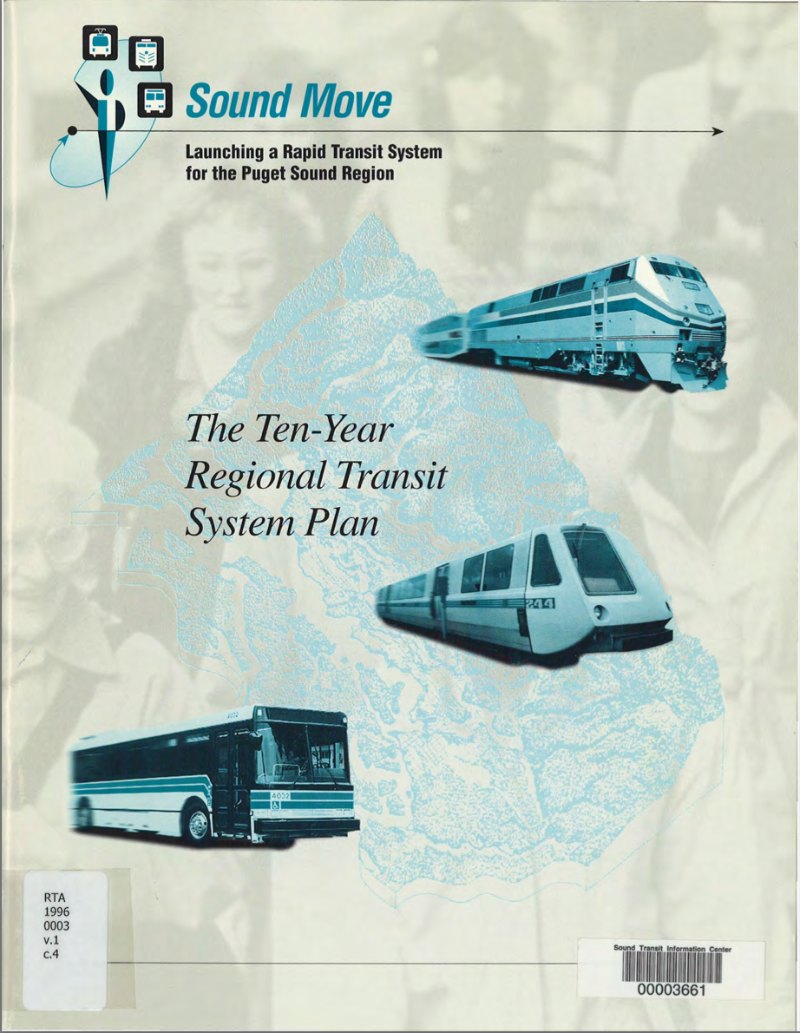
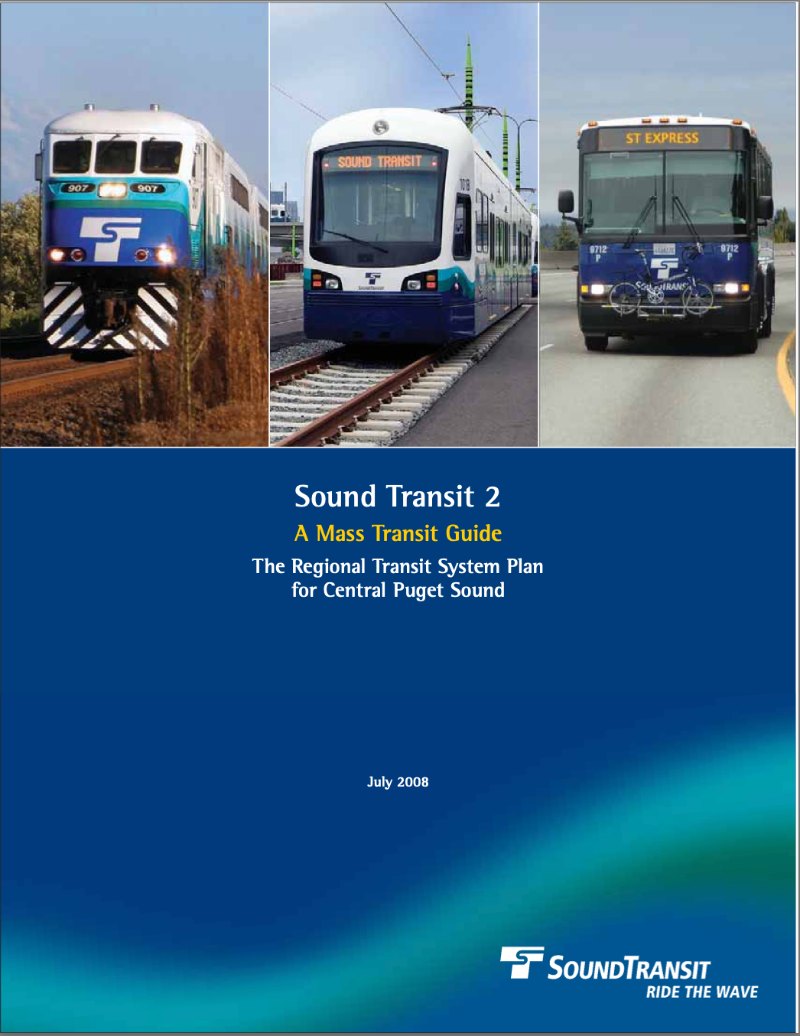
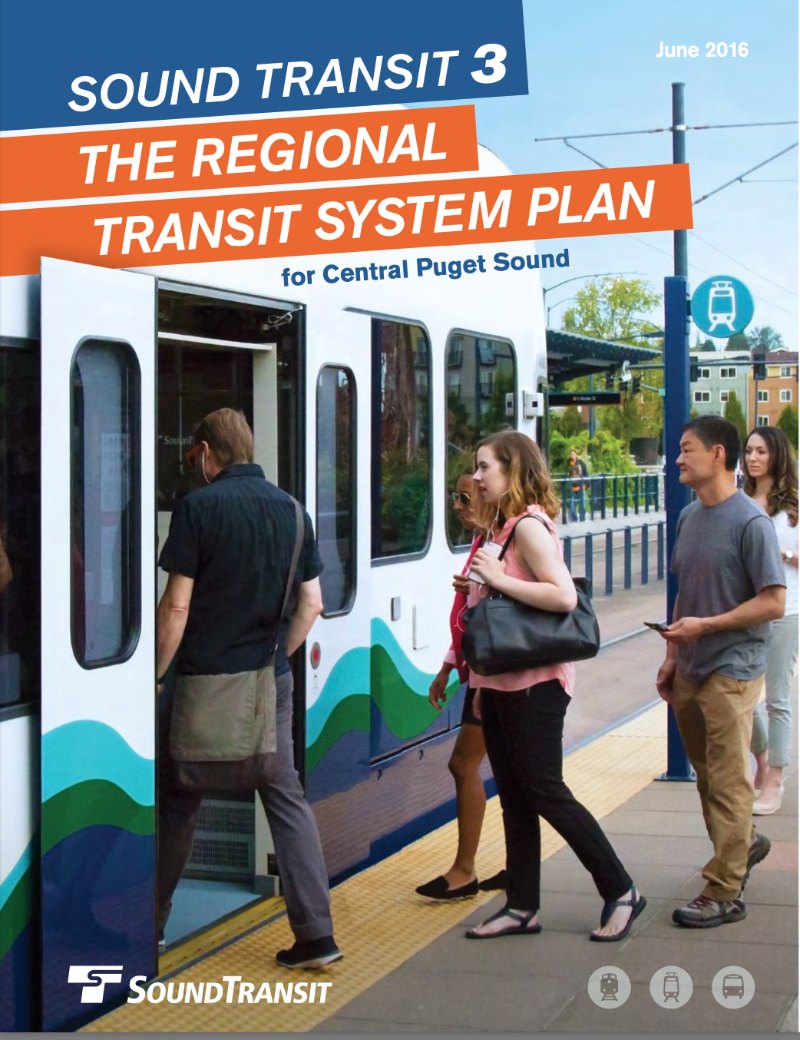
When voters approved Sound Transit’s light rail system, they understood that fares would be required to ride. Voter-backed measures like Sound Move (1996), ST2 (2008), and ST3 (2016) explicitly included fare collection as a key component of the system’s funding model. However, weak fare enforcement shifts the financial burden onto other revenue sources, such as the vehicle registration tax, forcing them to shoulder a larger share of transit costs. Sound Transit has an obligation to the public to ensure fares are collected from riders, as failing to do so undermines the system’s financial integrity and disregards the will of the voters who approved its funding structure.
Charts built in Datawrapper and Flourish. Inspection and fare evasion data from Sound Transit, obtained through a public records request. The fare violation graphic was redrawn in 2026 for this site; its content matches the original.