Work / Kiosks for Connection
Kiosks for Connection
College students who need mental health support often don’t ask for it, and don’t know what their campus already offers. Over two quarters I researched, prototyped, and tested a dining-hall kiosk that helps them start the conversation.
- Partner
- Mental Health Over Dinner, a nonprofit
- Context
- Graduate project, University of Washington, 2024
- Methods
- Creative brief, expert interviews, personas, paper and Figma prototypes, a live test dinner, surveys, interviews
- Tested with
- Six guests over one dinner
The situation
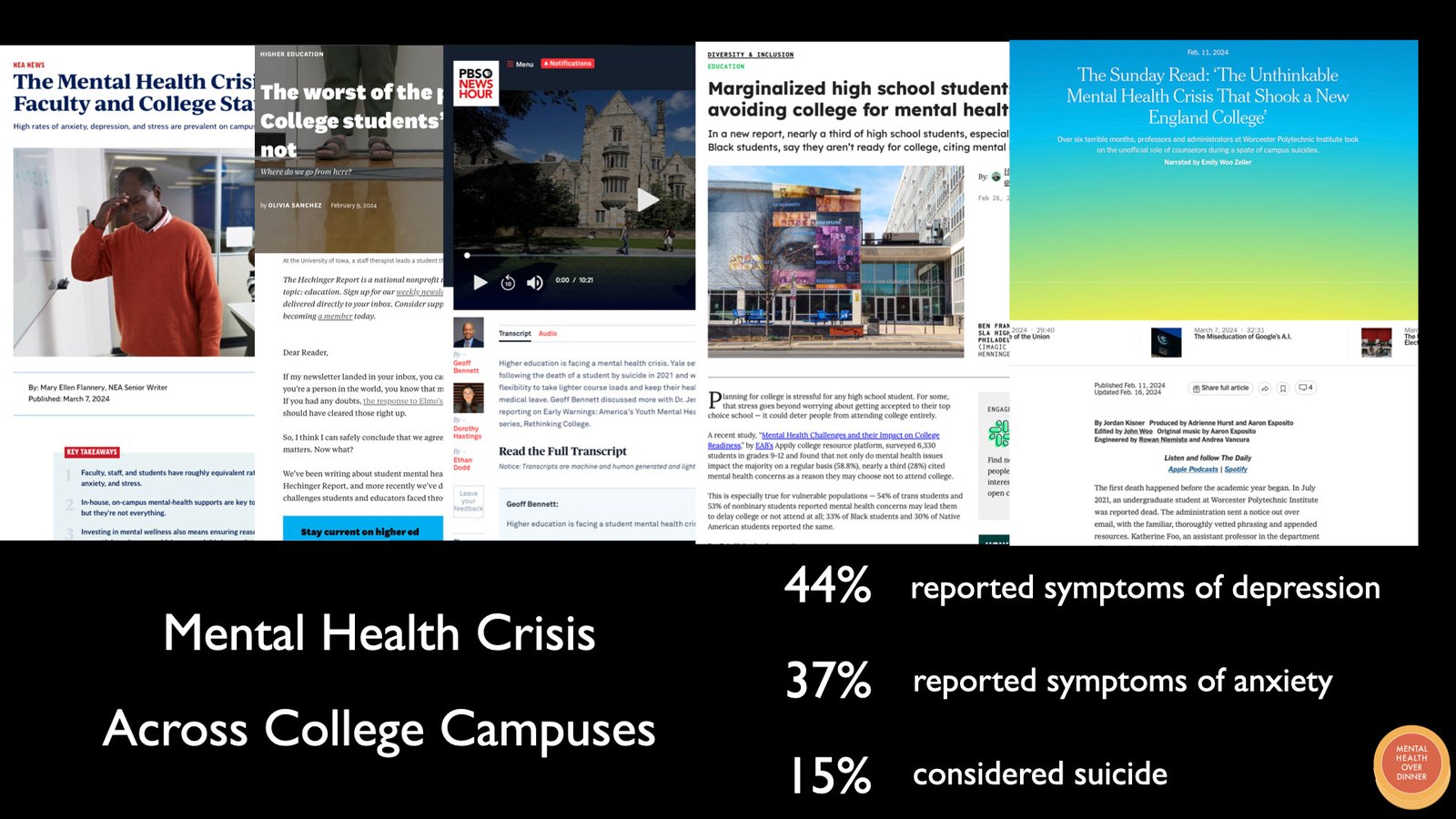
Mental Health Over Dinner brings people together to talk about mental health over a meal, borrowing the model from Death Over Dinner. The founder wanted to reach college students. The problem was where: students who most need support rarely seek out a resource fair or a counseling office.
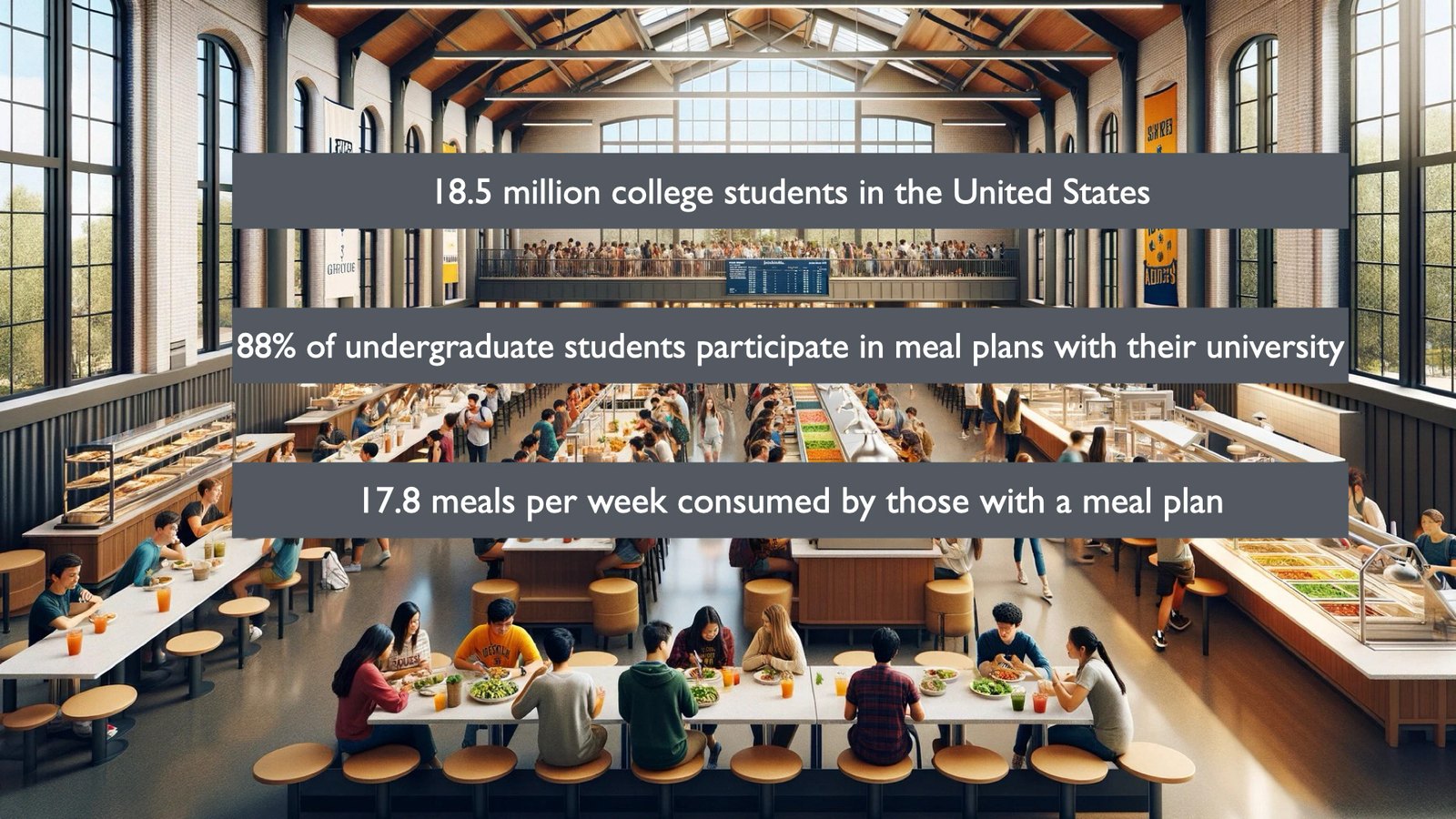
In a dining hall, students are already sitting with people they know, and that’s where the kiosk idea came from.
What I did
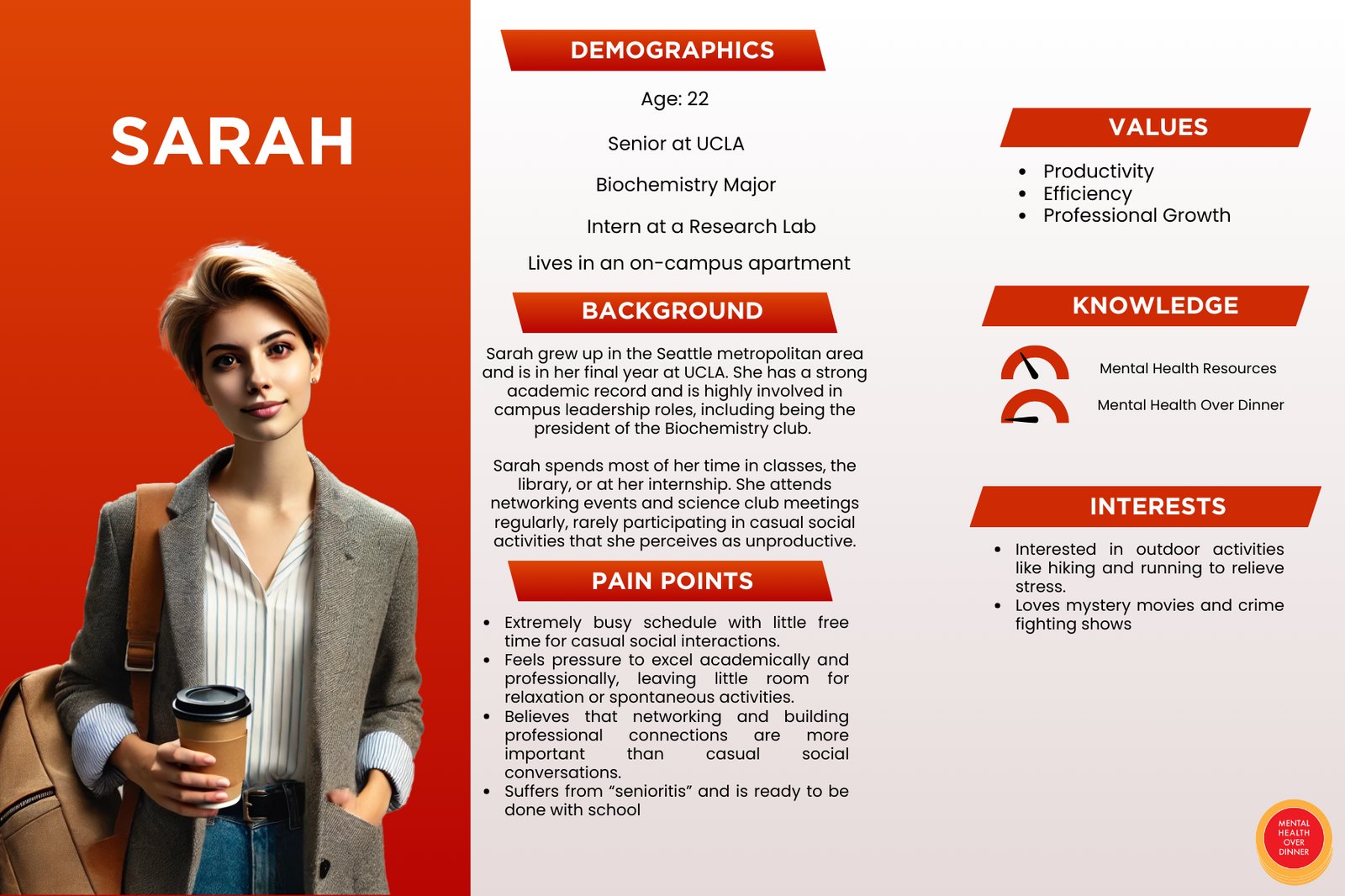
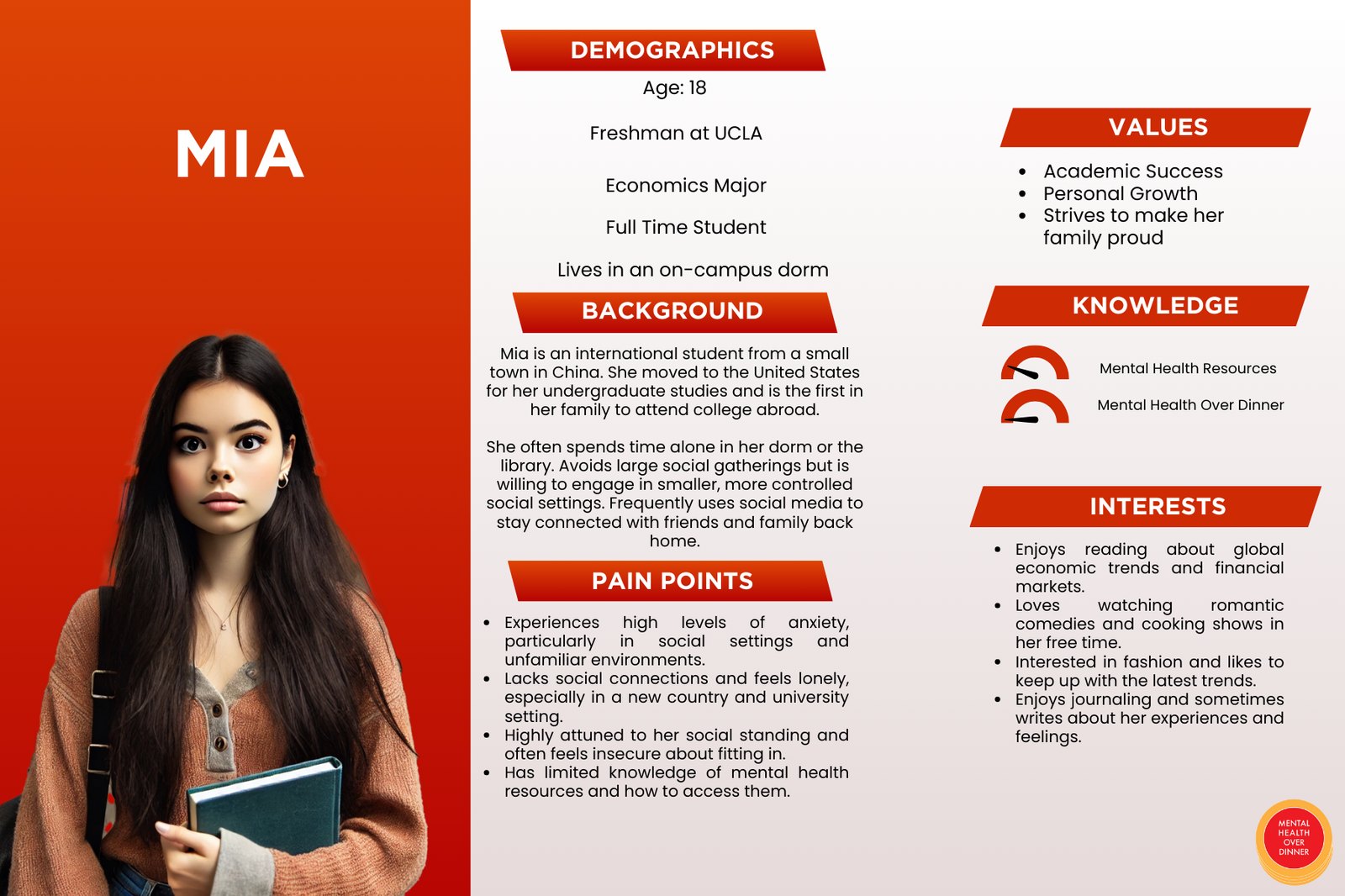
I started with a creative brief that scoped the project, then pitched the kiosk concept to the founder. I interviewed people who design physical spaces for difficult conversations, which shaped where a kiosk should sit and how it should look (nothing like an ATM).
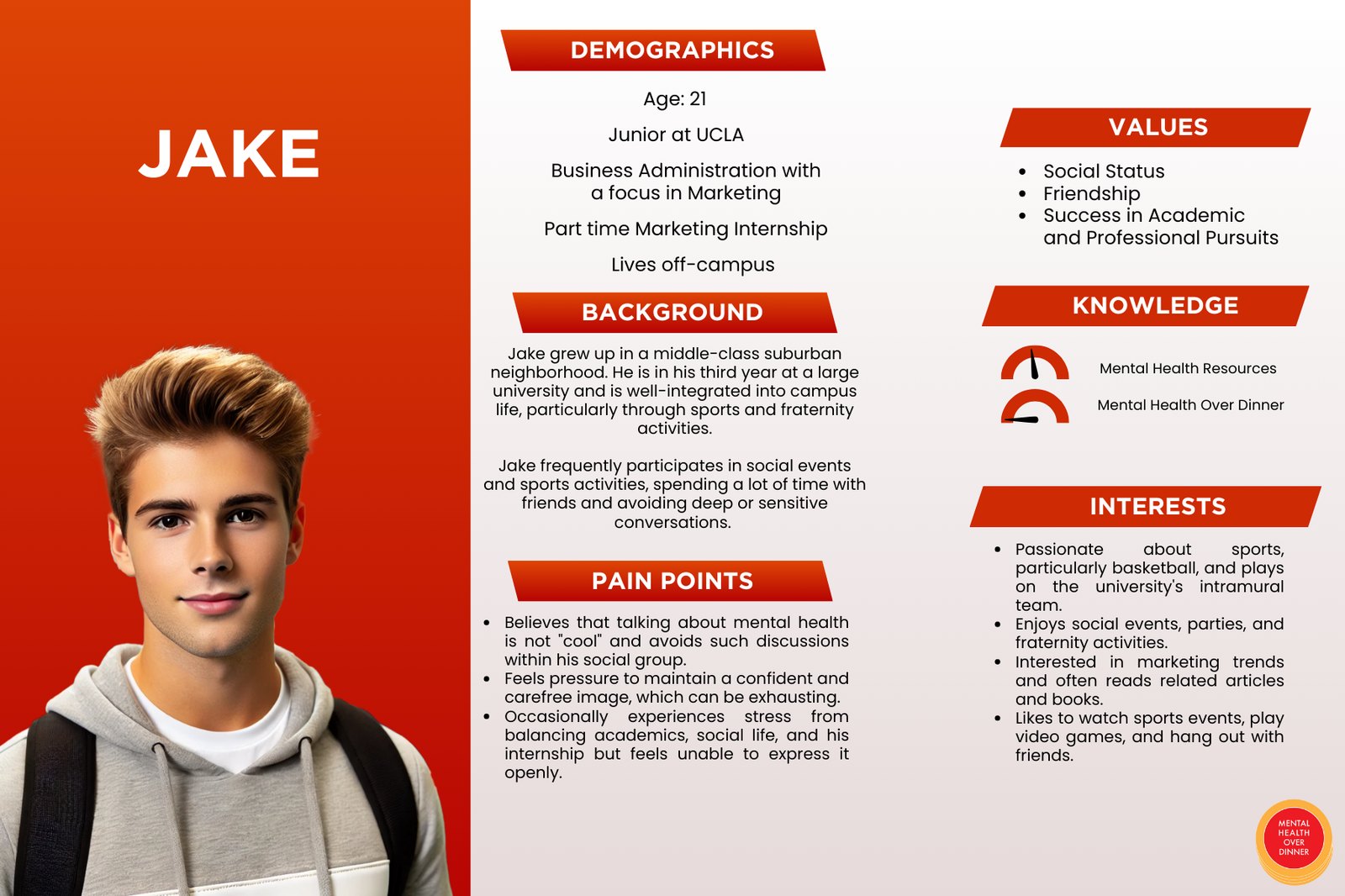
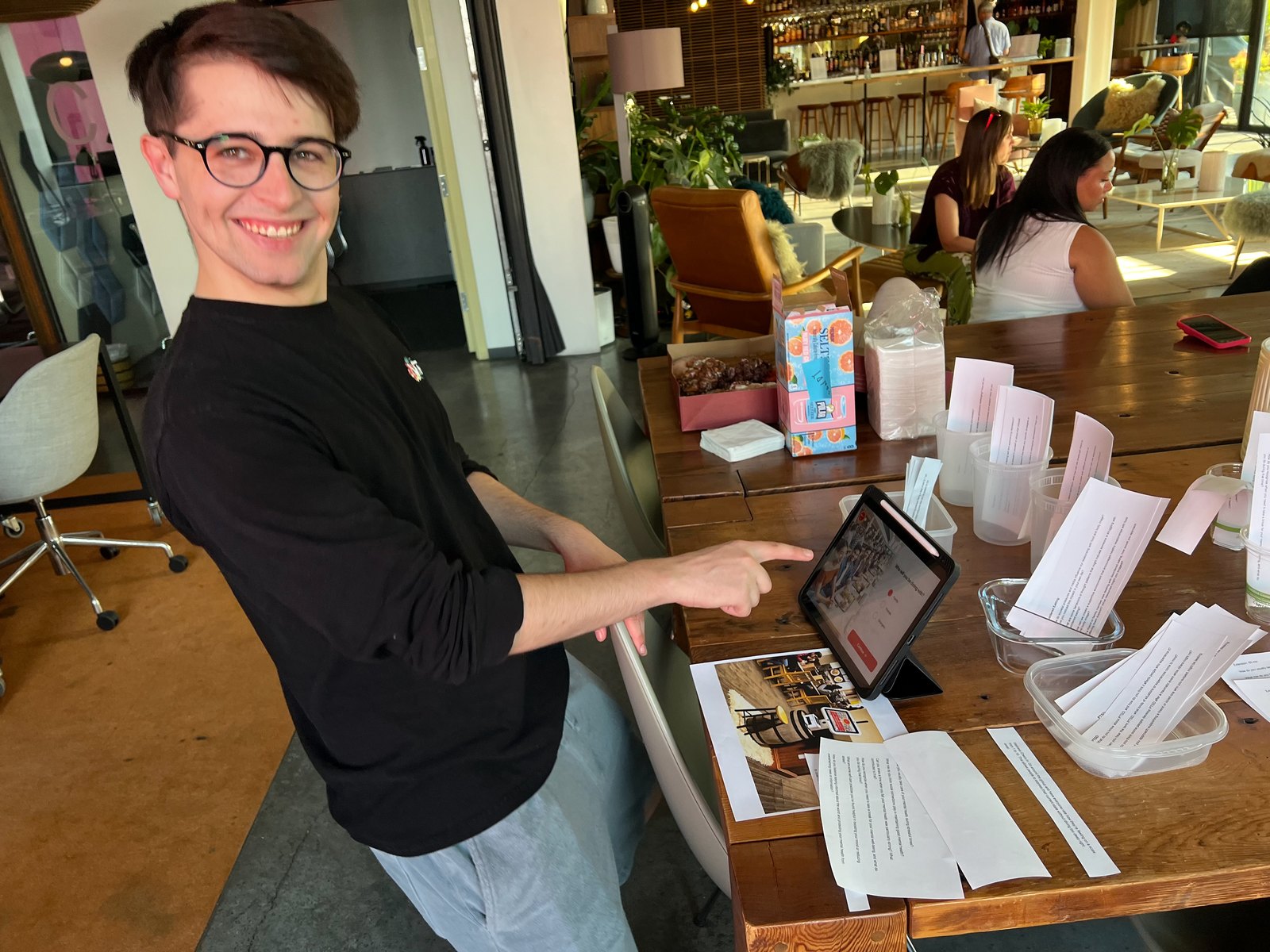
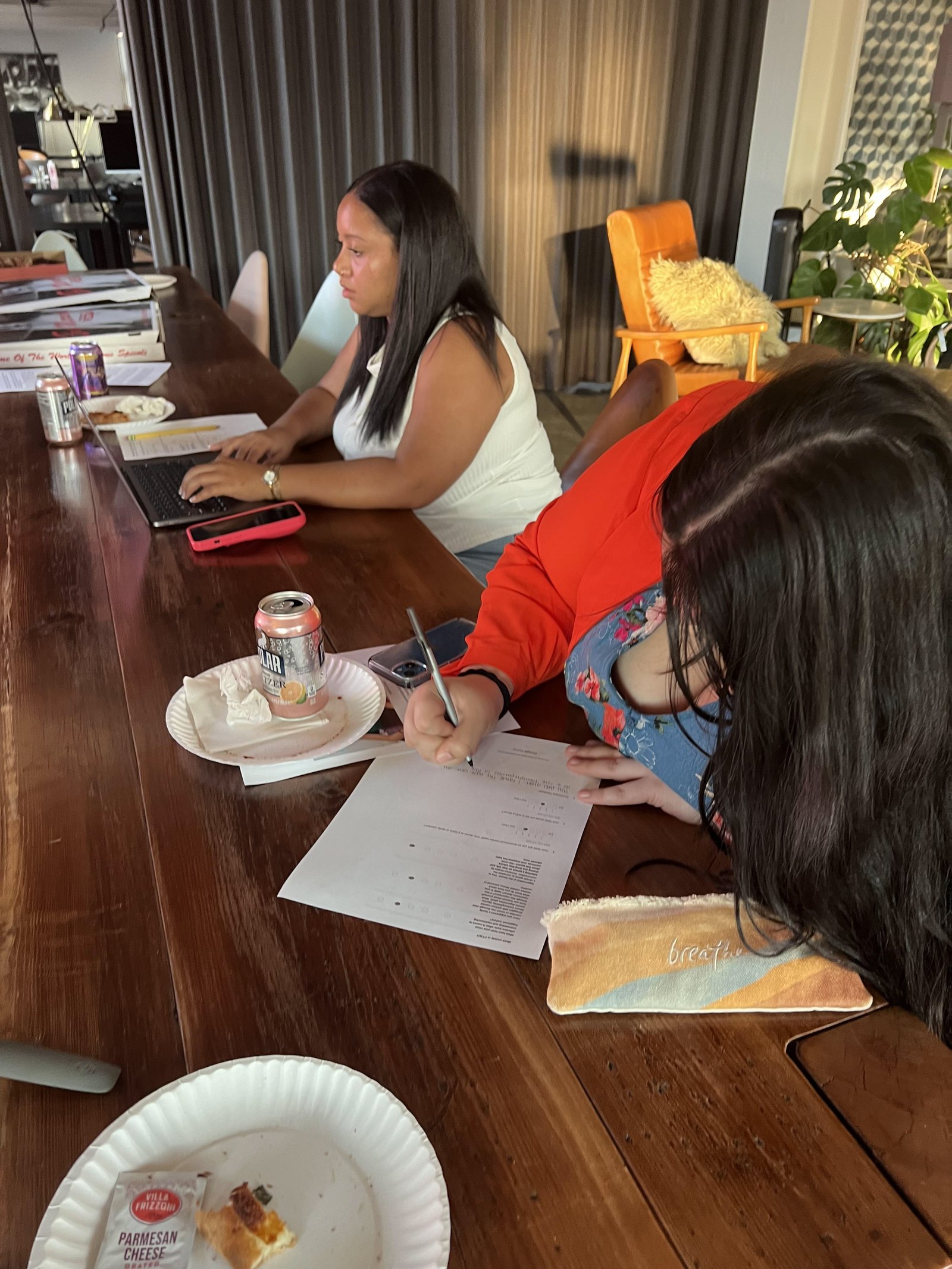
The kiosk lets a student explore resources anonymously, plan a conversation, or join one already happening. I built it in Figma, then hosted a dinner to test it. Guests walked through the prototype on a tablet, I produced the conversation scripts by hand on paper cards, and afterward every guest filled out a survey and sat with me for an interview.
What came of it
Guests called the kiosk intuitive, and over pizza, in about an hour, they talked about things most people avoid. Watching that happen at a table I’d set up is still one of my favorite moments from graduate school.
“Being able to, like, eat something and kind of like, have your own thoughts, but feel safe and respected, was good. I like that.”A guest at the test dinner
By the end I could see the kiosk wouldn’t be enough by itself. Along with the prototype, I recommended that Mental Health Over Dinner partner with campus health organizations as co-hosts, put trained student staff on logistics, add light programming around the meal, and give institutions a way in without giving up the nonprofit’s decentralized model.